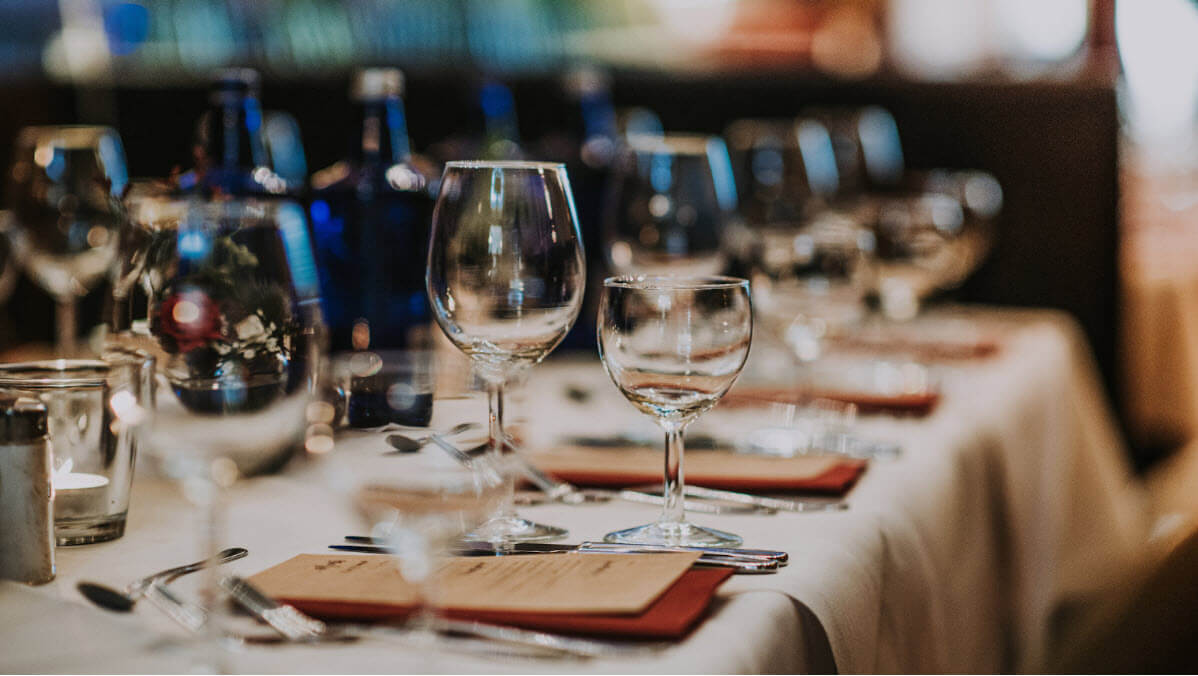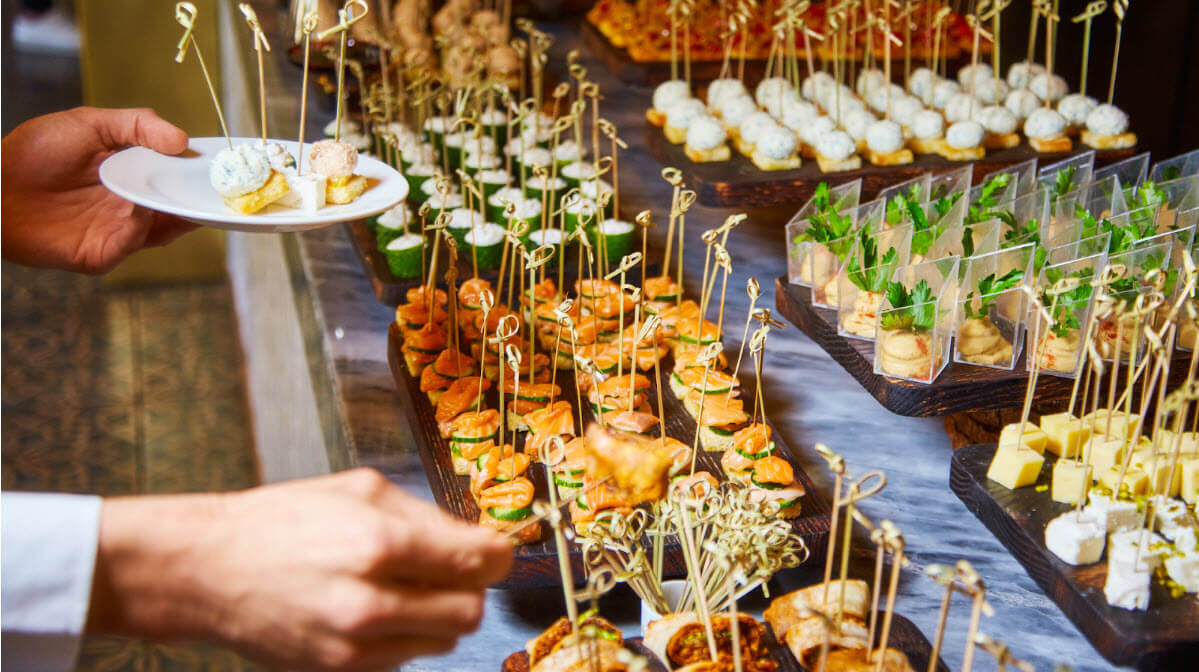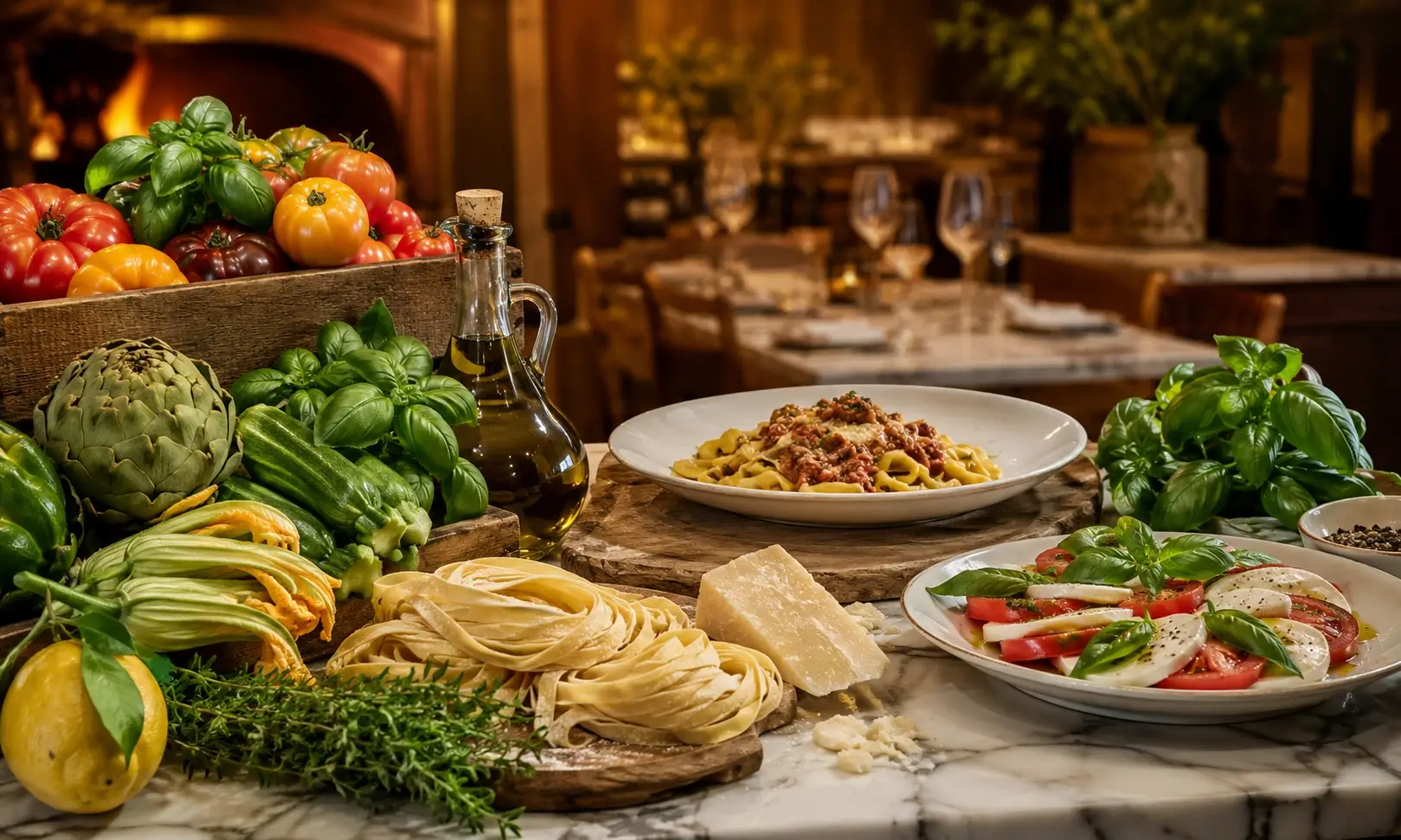
From Intimate Dinners to Big Celebrations: Exploring Private Dining in Toronto

The process of planning a dining experience in a busy city like Toronto comes with its fair share of challenges. There is such an incredible range of places to choose from; however, not all of them offer the ability to cope with the needs of a remarkable dining experience.

Depending on whether you plan to organize an intimate dinner party or something much larger, what makes a great night and an experience is control. You are not merely making your choice based on your taste but rather determining your whole journey at the same time.

And that is why private dining in Toronto can be considered unique. This is not only about the level of exclusiveness, but much more. You have a chance to set everything according to your desires and expectations.

A proper private dining experience takes out the element of stress from the equation and ensures smoothness and perfection throughout the entire journey.

Why Private Dining Changes the Experience

In a standard restaurant setting, you are sharing space, attention, and timing with everyone else in the room. That introduces unpredictability. Noise levels fluctuate, service gets stretched, and the flow of your evening becomes harder to manage.

Private dining removes that friction.

It creates a controlled environment where the experience is shaped around your group. Conversations are uninterrupted, timing is intentional, and the overall atmosphere feels aligned with the occasion. This is why more hosts are shifting toward private dining downtown toronto venues when the stakes are higher.

The goal is not just to dine. It is to execute an experience without compromise.

From Intimate Dinners to Big Celebrations

Private dining is not one-size-fits-all. The needs of a small, personal gathering are very different from those of a large-scale event. The best venues understand how to scale without losing quality.

Intimate Dinners

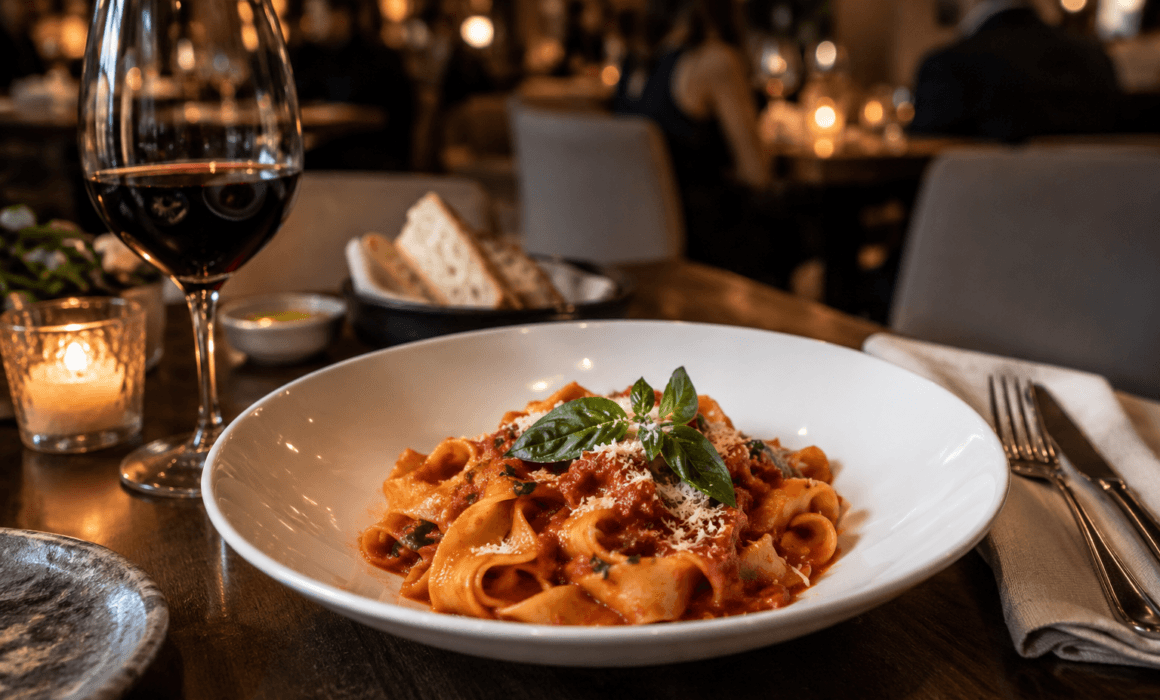
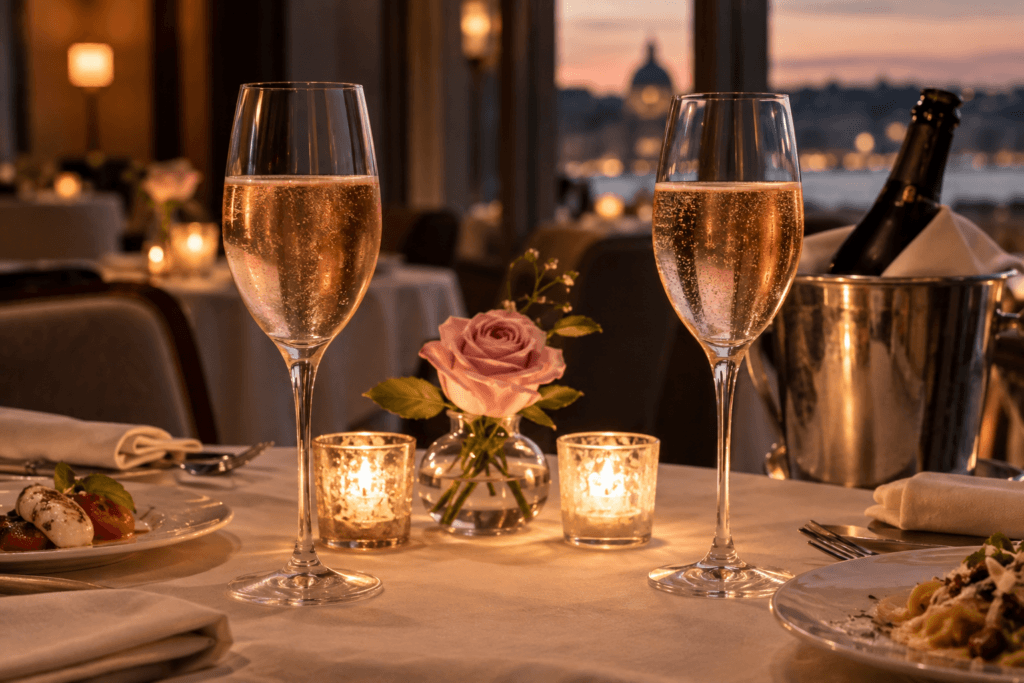
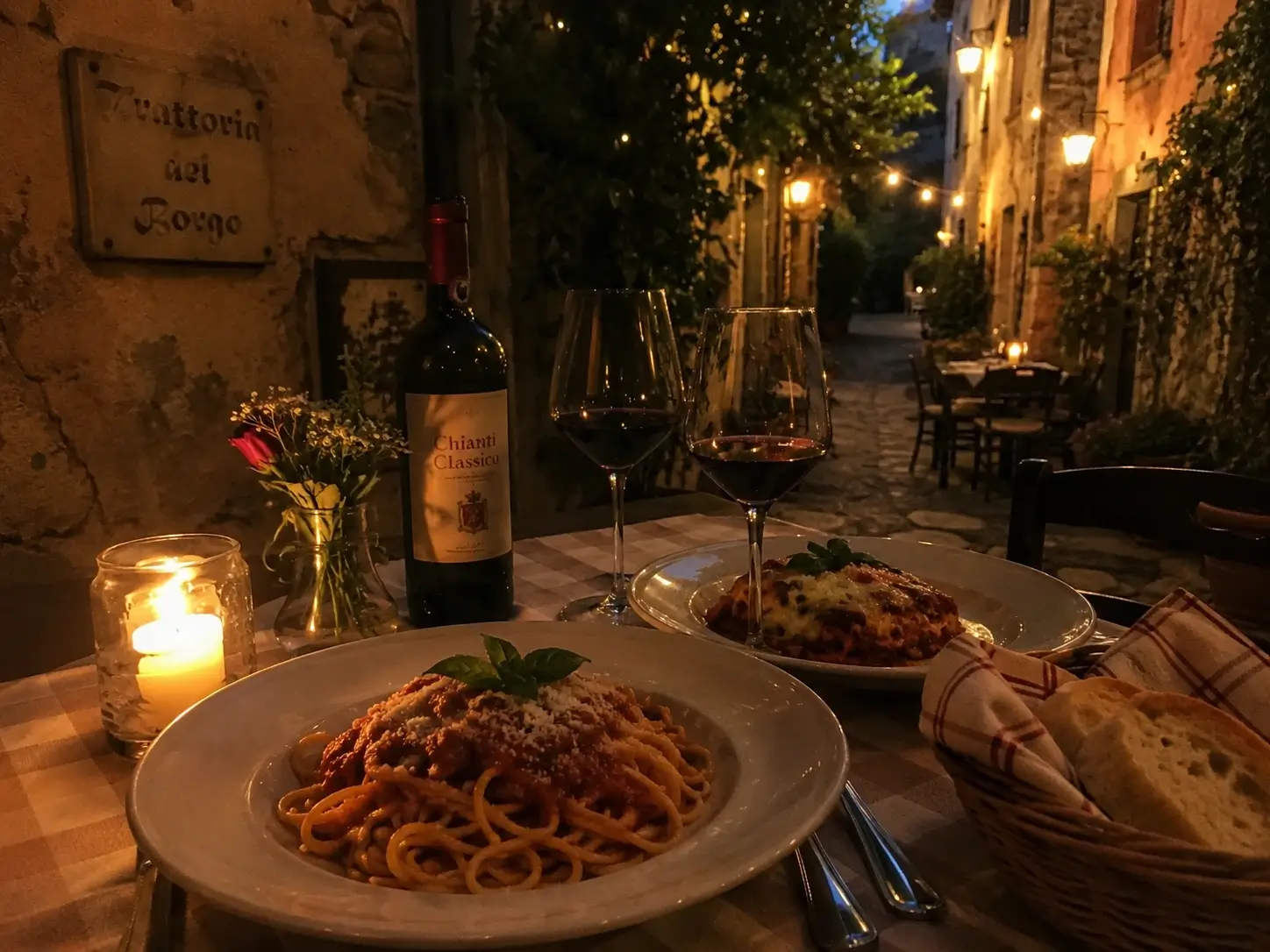
Romantic Italian dinner with wine and pasta

An intimate dinner is about connection. It requires a setting that feels personal, quiet, and thoughtfully designed. The right restaurant for intimate dinner experiences will focus on subtle details that elevate the moment without overwhelming it.

This includes:

  • Controlled lighting that creates warmth without distraction
  • Spacing that allows for privacy without isolation
  • Service that is attentive but not intrusive

The objective is to create a space where conversation flows naturally and the environment supports it.

In private dining, this becomes easier to achieve. You are not competing with surrounding tables or background noise. Everything is calibrated for your group.

Big Celebrations

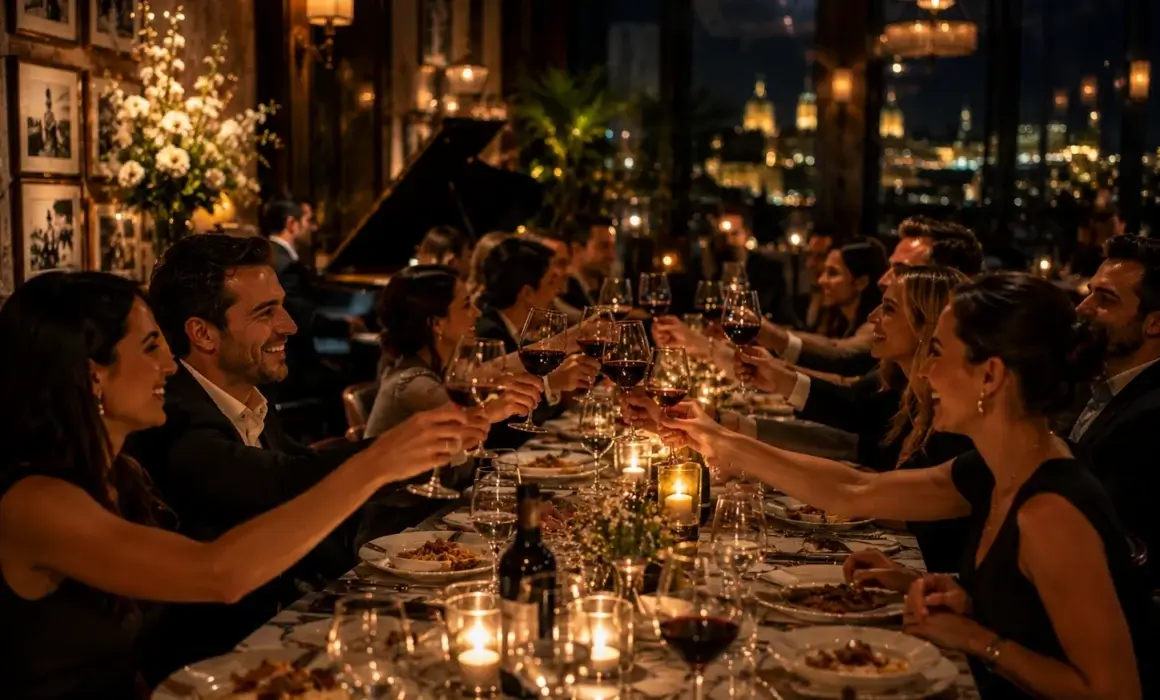
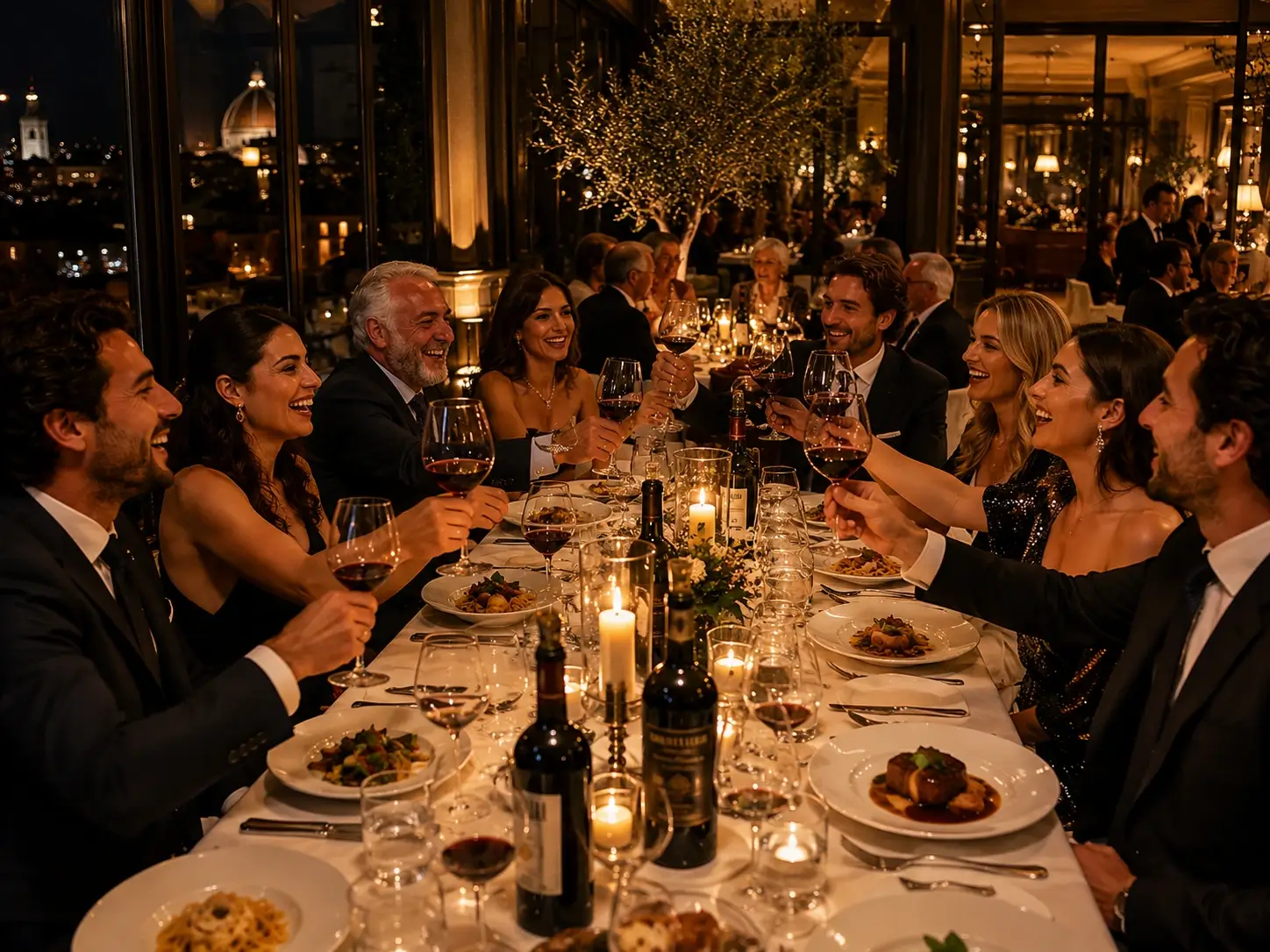
A big celebration introduces a different level of complexity. Larger groups
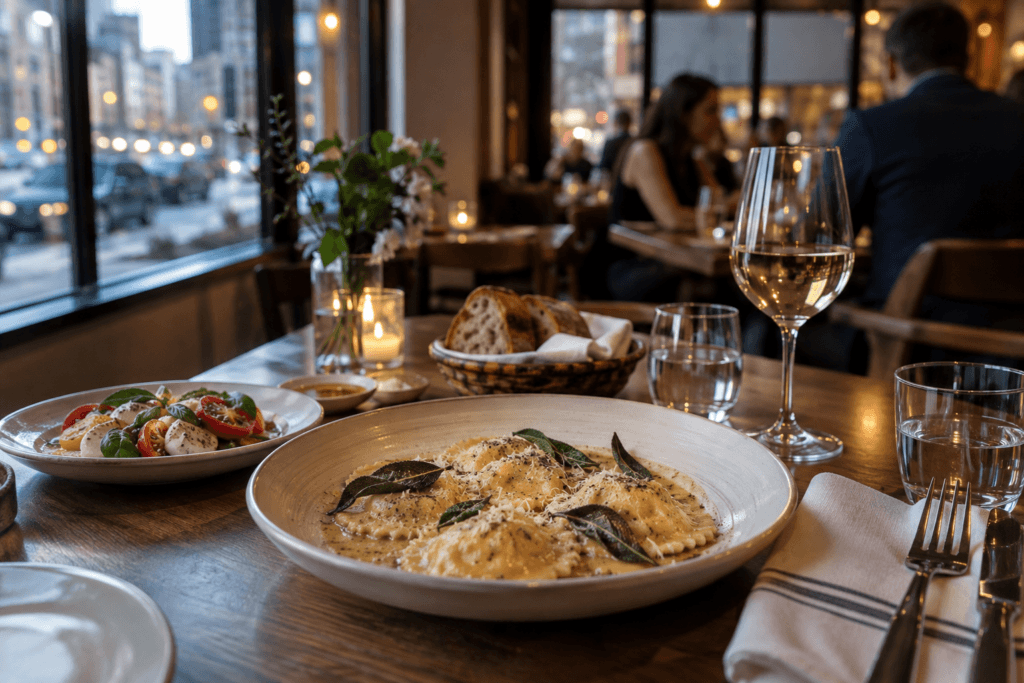
Group dining celebration at a Blu Ristorante

require coordination, timing, and consistency across multiple touchpoints.

Without structure, things break down quickly.

Luxury private dining is designed to handle this scale. It ensures that:

  • Food is delivered consistently to all guests
  • Service remains efficient even with larger numbers
  • The atmosphere retains its quality, rather than becoming chaotic

The experience needs to feel organized without feeling rigid. Guests should move through the evening effortlessly, from arrival to final course.

This is where experienced venues separate themselves. They do not just accommodate large groups. They manage them with precision.

The Role of Location in Private Dining

When planning celebration dining, location plays a more important role than most expect. Accessibility directly impacts guest experience.

Private dining in downtown Toronto offers a clear advantage. It places your event within reach of major transit routes, hotels, and central business districts. This reduces friction before the evening even begins.

Guests arrive on time. The event starts smoothly. The overall experience feels more cohesive.

A strong location also reinforces the perception of the event. A central, well-known area adds credibility and convenience, which matters for both personal and professional gatherings.

What Defines Luxury Private Dining

Not all private dining experiences are equal. Luxury private dining is defined by how well it removes complexity while maintaining a high standard across every detail.

This includes:

  • A refined, consistent menu that supports group dining
  • Dedicated service teams that focus solely on your event
  • Flexible layouts that adapt to your group size and format
  • An atmosphere that feels elevated without being overstated

Luxury is not about excess. It is about precision. Every element should feel intentional and aligned with the occasion.

Menu Design

The menu is one of the most critical components of private dining. It needs to support both the logistics of service and the expectations of guests.

A strong menu for private dining Toronto experiences will:

  • Offer enough variety to accommodate preferences
  • Maintain a clear culinary identity
  • Allow for efficient execution across larger groups

Structured formats, such as prix fixe or tasting menus, are often the most effective. They reduce decision-making, streamline service, and ensure consistency across the table.

For hosts, this removes a major layer of complexity. Instead of managing individual orders, the experience becomes coordinated and predictable.

Service That Operates Behind the Scenes

In private dining, service is not just visible. It is strategic.

The best teams operate in a way that feels seamless to guests while managing multiple layers of coordination behind the scenes. Timing, communication, and attention to detail all need to align.

For an intimate dinner, this means knowing when to step in and when to step back. For a big celebration, it means maintaining pace and consistency across a larger group.

Strong service creates flow. It ensures that the evening progresses naturally without interruptions or delays.

Atmosphere as a Performance Layer

Atmosphere is often underestimated, but it plays a central role in how guests experience an event.

Lighting, acoustics, and layout all contribute to how the space feels. In private dining, these elements can be controlled more precisely, allowing the environment to match the tone of the occasion.

For example:

  • An intimate dinner benefits from softer lighting and quieter acoustics
  • A big celebration requires energy, but still needs structure

Some venues enhance this further with live elements, such as music, which can add depth without overwhelming the experience when executed correctly.

Flexibility for Different Occasions

No two events are identical. The ability to adapt is what makes a private dining experience truly effective.

A strong venue will offer:

  • Customizable menu options
  • Flexible timing and pacing
  • The ability to accommodate dietary requirements
  • Support for additional elements, such as speeches or presentations

This flexibility allows the host to shape the experience around their needs rather than adjusting expectations to fit the venue.

Why BLU Ristorante Fits Both Ends of the Spectrum

BLU Ristorante operates at the intersection of structure and atmosphere, making it well-suited for both intimate dinners and larger celebrations.

Its approach to private dining Toronto is built around control. The restaurant offers multiple private dining spaces that can be tailored to different group sizes, supported by a menu that balances variety with consistency and service that is designed to handle complexity without friction.

For smaller gatherings, the environment supports connection and privacy. For larger events, the structure ensures that service and quality remain consistent throughout the evening.

This adaptability is what allows BLU Ristorante to deliver across different types of celebration dining without compromising the experience.

Planning for a Seamless Experience

When organizing private dining, preparation determines outcome. The more clarity you have upfront, the smoother the execution will be.

Start by defining:

  • The size of your group
  • The tone of the event
  • Any specific requirements, such as dietary needs or timing constraints

From there, evaluate whether the venue can support those needs without introducing complexity.

The right choice will feel straightforward. Communication will be clear, options will be structured, and the path from planning to execution will be efficient.

Common Mistakes to Avoid

Even with strong venues available, there are common missteps that can impact the experience:

  • Choosing based solely on aesthetics, where a space may look impressive but fails under operational pressure
  • Underestimating the importance of menu structure, which can slow down service and create inconsistencies
  • Ignoring location, which leads to unnecessary friction for guests when arriving or coordinating
  • Overlooking service quality, which can undermine the entire event, regardless of food or setting
  • Not confirming private dining capacity, resulting in cramped layouts or poor guest flow
  • Failing to align the menu with the group size causes delays and uneven service pacing
  • Booking without understanding event timing, which can conflict with peak hours and impact attention from staff
  • Ignoring dietary requirements until the last minute creates avoidable complications
  • Choosing venues without dedicated staff for private events leads to inconsistent service
  • Overcomplicating the experience with too many custom requests, which can disrupt execution

Avoiding these mistakes comes down to focusing on execution, not just appearance.

Final Thought

Private dining is not about exclusivity for its own sake. It is about creating an environment where everything works as intended.

From an intimate dinner to a big celebration, the goal is the same. Remove uncertainty. Maintain flow. Deliver a consistent, high-quality experience.

BLU Ristorante exemplifies this approach by combining luxury private dining with structured service and a refined atmosphere, allowing hosts to execute events with confidence rather than guesswork.

When every detail is aligned, the result is not just a meal. It is an experience that holds together from start to finish, exactly as planned.

FAQs

Why choose private dining over regular seating?

Private dining gives you control over the entire experience, which is the key difference from regular seating. In a shared dining room, you are affected by noise, service delays, and the pace of surrounding tables. Private dining removes that unpredictability by creating a dedicated space where timing, atmosphere, and service are aligned with your event. This means conversations are uninterrupted, courses arrive with intention, and the overall flow of the evening remains consistent.

Where can I find private dining in downtown Toronto with premium ambiance?

You can find private dining downtown toronto at upscale venues that are designed specifically for occasion-based dining rather than casual service. These spaces typically feature refined interiors, controlled lighting, and layouts that prioritize both comfort and privacy. The key is to look for restaurants that combine atmosphere with operational strength, ensuring that the experience holds up beyond first impressions.

What makes a venue ideal for both an intimate dinner and a big celebration?

A venue is ideal for both an intimate dinner and a big celebration when it can scale without losing consistency. This means having flexible private dining spaces that can adapt to different group sizes while maintaining the same level of service and atmosphere. For smaller gatherings, the focus is on privacy and connection, while larger events require coordination and flow. The best venues are able to manage both by combining adaptable layouts, experienced staff, and a menu that supports group dining.

Are tasting menus available for luxury private dining?

Yes, tasting menus are commonly available in luxury private dining settings because they provide structure and consistency across the entire group. Instead of managing individual orders, a tasting menu allows the kitchen to control pacing, presentation, and portioning, which results in a smoother and more cohesive experience. This is especially valuable for events, where timing and coordination are critical.

What cuisines work best for an intimate dinner?

Italian cuisine works particularly well for an intimate dinner because it naturally balances comfort and refinement. The structure of Italian dining, from antipasti to pasta and mains, creates a gradual progression that encourages conversation and connection. Dishes are often designed to be shared or enjoyed at a relaxed pace, which supports a more engaging and personal experience. In a well-executed setting, this combination of rich flavors, familiar ingredients, and thoughtful presentation makes Italian cuisine one of the most effective choices for creating a warm and memorable atmosphere.


Planning a Special Occasion? Here’s What to Look for in an Italian Restaurant

Planning special events brings its own set of stress factors. The level of expectations is heightened. Little errors may become apparent easily.

Choosing the right restaurant will either make your night seamless or awkward and uncertain. The wrong decision when it comes to dining results in interruptions, disruptions, and unpredictability.

In your search for the right Italian restaurant for special occasions, you require more than just a reputable establishment. What you require is an establishment that has been designed to perform. Here is what to expect from a great place, based on experience.

1. A Menu That Delivers Range Without Compromise

The italian restaurant menu is your starting point. It sets expectations before guests arrive and determines how smoothly the evening unfolds.

A strong menu balances variety and clarity. It gives guests options while maintaining a clear culinary identity. At BLU Ristorante, the menu reflects this balance across antipasti, pasta, and premium mains.

You see it in the range:

  • Starters like truffled beef carpaccio, grilled calamari, and ahi tuna tartar
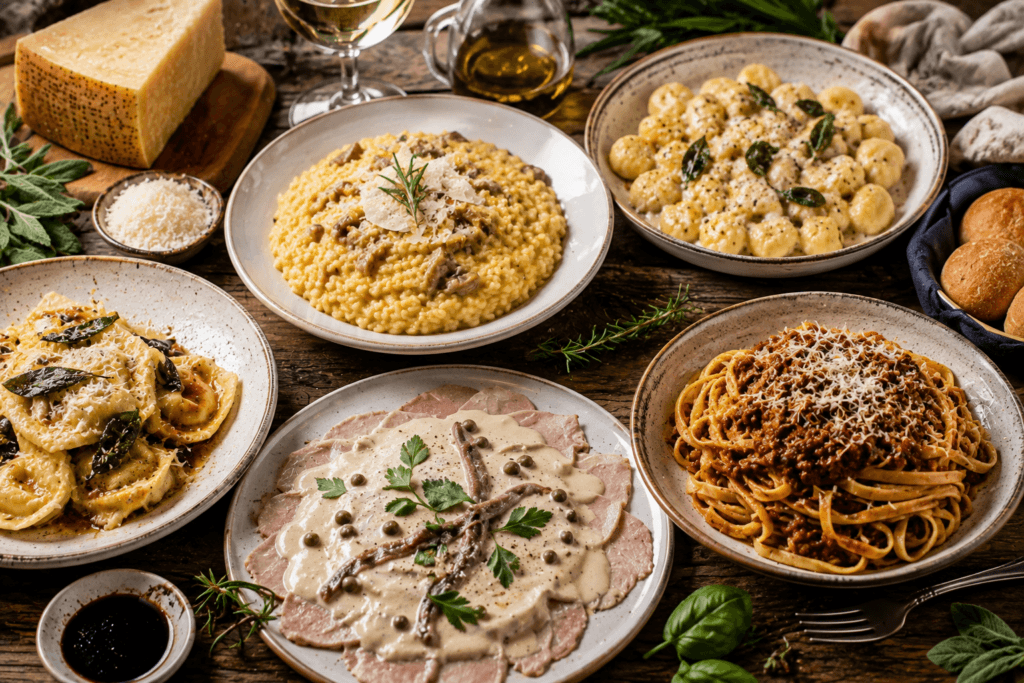
  • Pasta and risotto options such as classic bolognese, seafood linguini, and truffled mushroom risotto
  • Elevated mains include woodfire grilled branzino, rack of lamb, and ribeye.

This kind of structure does two things:

  • It reduces decision friction for guests
  • It ensures consistency in kitchen execution

For group dining, this becomes critical. Everyone can find something aligned with their preferences without slowing down the experience. A well-built Italian restaurant menu is not about quantity. It is about a controlled variety that supports flow.

2. Tasting Menus That Create a Structured Experience

When the goal is to elevate a special occasion, a tasting menu Toronto experience adds precision.

Instead of managing individual orders, the kitchen controls pacing, presentation, and progression. This creates a cohesive journey rather than a fragmented meal.

At BLU Ristorante, the five-course tasting menu is designed exactly for this purpose. Guests move through multiple courses with curated options, often paired with wines, creating a guided and immersive dining experience.

The advantage is clear:

  • No decision fatigue
  • Consistent pacing
  • A shared experience across the table

For celebrations, anniversaries, or client dinners, this level of structure removes uncertainty and elevates the entire evening.

3. Private Dining That Gives You Control

Special occasions often involve groups. That introduces complexity.

You are coordinating people, timing, and expectations. This is where restaurants with private dining rooms become essential.

Private dining is not just about space. It is about control.

Multiple private rooms at BLU Ristorante accommodate groups of all sizes, from small gatherings to large events, with full buyout options available.

This enables:

  • Dedicated service for your group
  • Controlled noise levels
  • Flexible layouts and pacing

A strong private-dining Italian restaurant removes the burden on the host. You are no longer managing logistics. The restaurant handles it. That shift matters. It allows you to focus on the people in the room, not the mechanics behind it.

4. Atmosphere That Aligns With the Occasion

Atmosphere is not a background detail. It directly shapes how the experience feels.

Lighting, layout, and sound all contribute to whether a space feels intimate, energetic, or overwhelming. BLU Ristorante is designed to support occasion-driven dining. Guests consistently describe:

  • Dimmed lighting and elegant decor
  • A warm, romantic environment
  • A lively but controlled energy level

This matters because different occasions require different emotional tones.

The best Italian restaurant for special occasion dining understands how to balance these elements without compromising comfort.

5. Live Music That Enhances, Not Distracts

Live music at an Italian restaurant dinner setting

This is where many restaurants miscalculate. Music can elevate a space or disrupt it entirely. The difference comes down to execution.

At BLU Ristorante, live piano and guitar performances are featured on select nights, particularly weekends, adding depth to the experience without overwhelming conversation.

This creates:

  • A more immersive atmosphere
  • A stronger sense of occasion
  • A memorable, layered experience

Importantly, the music is not the focus. It supports the environment. That distinction matters. Guests should feel the atmosphere, not compete with it.

6. Service That Handles Complexity Without Friction

Service is the most critical and most overlooked factor.

During a special occasion, timing and coordination must be precise. Delays break momentum. Inconsistency creates frustration.

Strong service looks like this:

  • Efficient seating and onboarding
  • Clear menu guidance when needed
  • Consistent pacing between courses
  • Proactive attention without interruption

At BLU Ristorante, guest feedback consistently highlights attentive, well-paced service, particularly during structured experiences like pre-theatre dining, where timing is critical. This is not accidental. It is an operational discipline.

A fine dining Italian restaurant must handle complexity behind the scenes so the experience feels effortless in front of the guest.

7. Menu Formats That Adapt to Different Occasions

Not every special occasion requires the same format.

Flexibility is key.

This allows guests to choose the level of structure that fits their event.

For example:

  • A business dinner may benefit from a tasting menu
  • A celebration may work better with shared plates
  • A time-sensitive evening may require a fixed menu

The ability to adapt without sacrificing quality is what separates a good restaurant from a reliable one.

8. Consistency Across Every Layer

Consistency is what turns a restaurant into a dependable choice. You are not just evaluating one dish or one visit. You are evaluating whether the experience holds up under pressure.

At BLU Ristorante, consistency shows up in:

  • A menu built around repeatable, high-quality dishes
  • Service that adapts to both small tables and large groups
  • An atmosphere that remains stable even during peak hours

This reduces risk.

For a special occasion, that matters more than novelty. You are not looking for experimentation. You are looking for execution.

9. Why the Right Restaurant Changes the Outcome

When all these elements align, the result is not just a dinner. It is a controlled experience.

The right Italian restaurant for special occasion planning:

  • Eliminates uncertainty
  • Handles complexity without visible effort
  • Delivers a consistent, elevated environment

BLU Ristorante exemplifies this approach by combining structured service, a refined Italian restaurant menu, live music, and scalable private dining options.

The result is predictable in the best way. You know the experience will hold up.

10. Final Checklist Before You Book

Before committing to a venue, evaluate it against these criteria:

  • Does the Italian restaurant menu offer both variety and clarity?
  • Are there private dining options that fit your group size?
  • Does the restaurant offer structured formats like a tasting menu Toronto experience?
  • Is the atmosphere aligned with your occasion?
  • Does live music enhance the experience without disrupting it?
  • Is the service designed to handle timing and complexity?

If all answers are yes, you are positioned for a successful event.

Closing Thought

Special occasions require more than good intentions. They require execution.

The right fine dining Italian restaurant does not leave outcomes to chance. It builds systems around consistency, atmosphere, and service. When those systems are in place, the experience becomes seamless. Guests stay engaged. The host stays relaxed. The evening delivers exactly as expected.

That is what you are really choosing when you select a restaurant. Not just a meal. A controlled, high-quality experience that holds together from start to finish.

FAQs

How do I choose the best Italian restaurant for a celebration?

Choose a restaurant that delivers consistency, not just aesthetics. The best italian restaurant for a celebration will have a well-structured menu, an atmosphere that matches your event, and a team that can handle timing and group dynamics without friction. If the experience feels predictable in terms of service and execution, you are making the right choice.

What makes a fine dining Italian restaurant ideal for special events?

A fine dining Italian restaurant is ideal because it is built for precision and control. Service is structured, food quality is consistent, and the atmosphere is intentional, which ensures the event runs smoothly without delays or disruptions.

Why is the Italian restaurant menu important when planning a special occasion?

The Italian restaurant menu determines how easily guests can order, how well different preferences are accommodated, and how smoothly the kitchen operates, making it a critical factor in maintaining flow and avoiding delays during the event.

How can I find the perfect tasting menu in Toronto for a special occasion?

Look for a tasting menu Toronto experience that is curated, well-paced, and aligned with the restaurant’s strengths, as this creates a cohesive dining journey and removes decision-making for guests.

What features should a fine dining Italian restaurant offer for anniversaries or birthdays?

A fine dining Italian restaurant should offer a controlled atmosphere, attentive service, flexible dining options, and enhancements like private dining or live music to create a seamless and memorable experience without added complexity.


A Guide to Experiencing True Italian Flavors in Toronto

What “Authentic” Really Means in Italian Dining

How to Read an Italian Restaurant Menu the Right Way

The Role of the Italian Tasting Menu

Signature Italian Dishes That Reveal True Quality

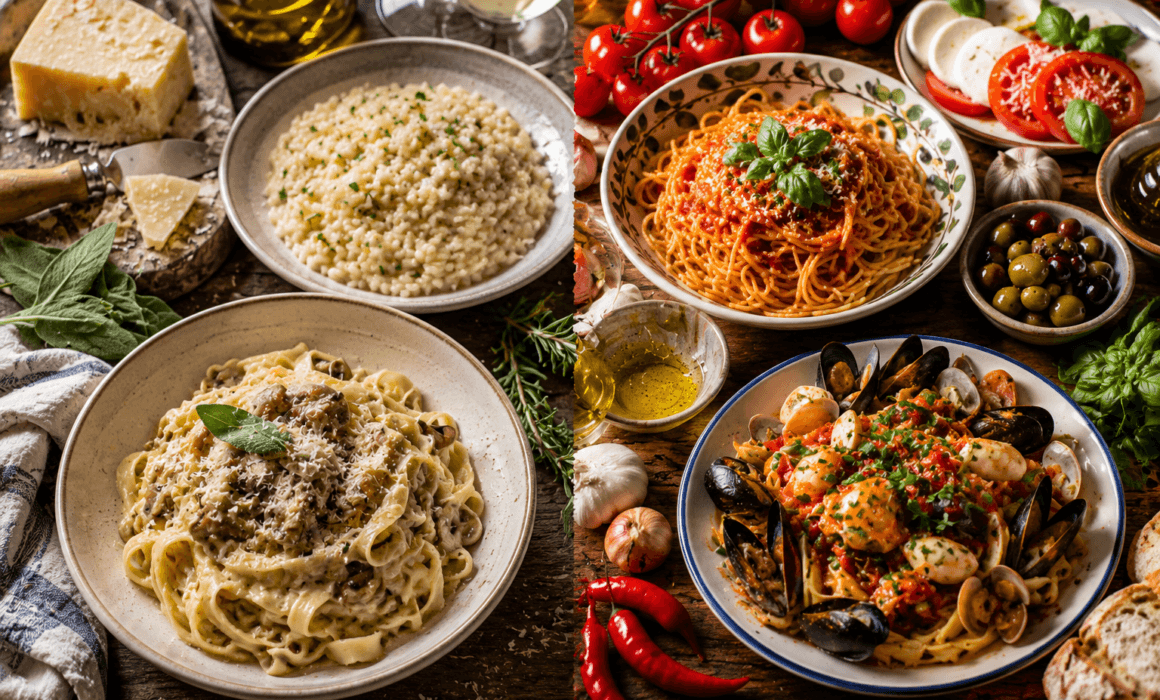
Gourmet Italian cuisine with risotto, pasta and appetizers

What Defines an Upscale Italian Dining Experience

Why Toronto Is a Strong City for Italian Dining

Choosing Among the Best Italian Restaurants in Toronto

Why True Italian Dining Still Stands Out

Final Thoughts

FAQs

What Makes an Authentic Italian Restaurant Different From Others?

What Is the Best Way to Experience True Italian Flavors in Toronto?

What Are the Must-Try Italian Cuisine Dishes?

What Is Typically Included in an Italian Restaurant Menu?

What Are Some Popular Desserts on an Italian Restaurant Menu?


Understanding Summerlicious Menus: What Fine Dining Restaurants Offer

What Summerlicious Menus Are Designed To Do

Why Fine Dining Restaurants Handle Summerlicious Differently

Elegant Summerlicious dessert and pasta with wine

What Diners Can Expect From A Strong Summerlicious Menu

Why The Seasonal Tasting Approach Matters

How To Choose Among Summerlicious Restaurants

Final Thoughts

Book your reservation for a summerlicious time!

FAQs

What is included in a Summerlicious menu?

Why is Summerlicious popular among food lovers?

What types of cuisines are available during Summerlicious?

How can I choose the best Summerlicious restaurant?

What is a seasonal tasting menu in fine dining?


From Memorable To Magical: The Role of Ambience And Service

Why Ambience Matters So Much in Romantic Dining

Couple enjoying candlelit dinner

The Elements That Shape The Mood

Live Music Adds A Layer Of Intimacy

Service is What Turns a Beautiful Room into a Memorable Evening

What Good Service Looks Like On Date Night

Ambience And Service Should Never Feel Separate

Where Romantic Dining Becomes More Than Dinner

FAQs

How important is ambience in a fine dining experience?

What type of cuisine is best for a date night in Toronto?

What makes a fine dining Toronto experience memorable?

Do romantic restaurants in Toronto offer special arrangements for couples?

How does lighting enhance a romantic fine dining experience?


From Classic To Contemporary: Italian Restaurants Shaping Toronto’s Food Culture

Why Italian Dining Still Holds Its Ground

What Guests Still Value Most

How Contemporary Italian Dining Has Changed The Scene

Italian cuisine with wine, pizza and pasta dishes

What Modern Diners Expect

Why Downtown Location Shapes The Experience

Final Thoughts

FAQs

Where can I find the best Italian restaurant in downtown Toronto?


The Art of a Perfect Romantic Dinner in Toronto: Inside Blu Ristorante’s Elegant Dining Experience

The Atmosphere of Blu Ristorante

Blu Ristorante’s Italian Tasting Menu

Luxury romantic dinner date at Blu Ristorante

Exceptional Service

Wine Pairings: The Perfect Complement

Why Blu Ristorante is One of the Most Romantic Restaurants in Toronto

A Memorable Dining Experience

Tips for the Perfect Romantic Dinner at Blu Ristorante

Plan Ahead

Choose the Right Time

Enjoy the Experience

Conclusion

FAQs

Why choose a romantic Italian restaurant in Toronto?

What features make Blu Ristorante one of the most romantic restaurants in Toronto?

What should I expect from a romantic dinner at Blu Ristorante?

How important is table placement for a romantic dinner?

Why is Blu Ristorante ideal for anniversaries or proposals?


How Live Music Transforms a Dining Experience: Toronto’s Top Spots for Food and Rhythm Lovers

The Power of Live Music Dining

Why Dinner With Live Music Feels Different

Upscale Italian dinner with live music at Blu Ristorante

1. It Encourages Connection

2. It Enhances the Senses

3. It Creates a Reason to Return

The Italian Restaurant With Live Music Appeal

What Makes Toronto Restaurants With Live Music Stand Out

Thoughtful Volume Levels

Curated Performance Styles

Seamless Integration With Service

Top Occasions for Live Music Dining

Date Nights

Pre Theatre Evenings

Celebrations

Corporate Dinners

Where to Find the Best Live Music Dining in Toronto

The Lasting Impact of Live Music Dining

FAQs

What types of music are commonly featured during dinner service?

Are Italian restaurants well suited for live music dining?

How does live music influence guest engagement?

How do restaurants maintain a fine dining vibe with live music?


Chain vs. Local Italian Lunch Restaurants: Which is Better?

When it comes to enjoying a delicious Italian meal, there are plenty of options to choose from. But when you’re craving the perfect Italian lunch, should you head to a popular chain restaurant or opt for a more intimate, local Italian lunch restaurant? The choice between the two can often be a tough one, especially in a city like Toronto, where the culinary scene is brimming with both.

In this post, we’ll dive into the differences between chain vs. local Italian dining, highlighting the benefits of each. Whether you’re looking for consistency, convenience, or a more high-end Italian restaurant Toronto experience, we’ll help you determine which option best suits your needs.

Chain Italian Restaurants: What to Expect

Consistency and Convenience

One of the most appealing factors of chain Italian restaurants is the consistency they offer. Whether you’re in Toronto or a different city, a chain provides a reliable menu with dishes that you know and love. The recipes are standardized, so you can expect the same flavors and quality at any location.

For many, the convenience of a chain Italian restaurant can’t be beaten. With multiple locations and often long hours, you can count on them to be open when you need them, whether it’s for a quick lunch or a late-night craving.

Familiarity and Accessibility

If you’re someone who enjoys tried-and-true classics, like spaghetti with marinara sauce or fettuccine alfredo, chain Italian restaurants often stick to the basics. While you may not get a unique experience, you do get a familiar one. For casual diners, this accessibility and predictability can make chains an appealing option. However, if you’re seeking a more refined or authentic Italian dining experience, a chain may not be the best choice.

Local Italian Restaurants: The Authentic Experience

Personalized and Unique Dishes

On the other hand, local Italian restaurants offer a much different vibe. When you walk into an intimate, local Italian lunch restaurant, you’re often met with a more personalized experience. Unlike chains, these establishments focus on bringing unique, seasonal, and locally sourced ingredients to the table. The chefs at local spots typically offer specialized, sometimes ever-evolving menus that reflect the region and culture of Italy.

At Blu Ristorante, an Italian restaurant in Toronto, for example, you’re not just getting a plate of pasta, you’re experiencing an entire meal crafted to transport you to the heart of Italy with every bite. Dishes are prepared with care, often using locally sourced ingredients and traditional Italian cooking techniques.

An Authentic Italian Dining Experience

When it comes to an authentic Italian dining experience, local restaurants take the lead. These restaurants focus on the craft of Italian cuisine, often prepared with ingredients imported directly from Italy. From fresh mozzarella to perfectly aged balsamic vinegar, these restaurants take the time to ensure every element of the meal is an authentic reflection of Italian culture.

For instance, Blu Ristorante is a prime example of how a fine dining Italian restaurant can offer both authenticity and luxury in downtown Toronto. You won’t just be served food, you’ll be treated to a meal that’s carefully designed to offer a true Italian experience, with every ingredient telling a story.

Warmth and Hospitality

Local Italian restaurants often emphasize hospitality, creating an atmosphere that makes you feel like part of the family. The service tends to be more personal and attentive, with staff eager to ensure that every part of your meal is perfect. In a chain, the service can sometimes feel a little more robotic, as the focus is typically on speed and volume. But when dining locally, you’re more likely to receive individualized attention, making your experience feel more special.

Comparing the Two: Which Is Right for You?

Price and Value

One of the biggest factors in choosing between a chain vs. local Italian dining option is cost. Chain restaurants generally offer more affordable meals, with set menu prices and frequent promotions. This can be great for a quick lunch or a casual dining experience, especially if you’re looking for something budget-friendly.

However, if you’re looking for a high-end Italian restaurant Toronto experience, local spots may be pricier. But what you pay for is an elevated experience, fresh, quality ingredients, unique recipes, and more personalized service. For those willing to splurge on a truly special meal, a local Italian restaurant Toronto is often worth the investment.

Ambiance and Atmosphere

Another key difference is the ambiance. While chain Italian restaurants typically have a standardized, corporate feel, local restaurants often feature more intimate settings with unique décor and a cozy atmosphere. If you’re seeking a more relaxed, upscale environment, a high-end Italian restaurant Toronto like Blu Ristorante offers elegant design, candlelit tables, and sophisticated décor that enhances the overall dining experience.

Why Choose Blu Ristorante?

So, what makes Blu Ristorante stand out in this debate between chain vs. local Italian dining? It’s the perfect blend of authenticity, fine dining, and exceptional service. Whether you’re enjoying a casual lunch or a special dinner, Blu offers an experience that combines the best aspects of local Italian dining. authentic dishes, personal service, and a warm atmosphere.

If you’re searching for a memorable Italian lunch restaurant in the heart of Toronto, Blu Ristorante provides an atmosphere that’s perfect for both casual and luxurious dining experiences. From seasonal specials to wine pairings, Blu Ristorante is a must-visit for anyone looking to enjoy an authentic Italian dining experience that goes above and beyond the usual.

Final Thoughts

Both chain and local Italian restaurants offer their own set of benefits. Chains provide convenience, affordability, and consistency, which can be great for casual dining. However, if you’re looking for a more authentic Italian dining experience, unique dishes, and personalized service, a local Italian restaurant like Blu Ristorante will offer a dining experience that can’t be replicated by a chain. The choice ultimately depends on what you’re looking for in your dining experience, whether it’s familiarity and convenience or authenticity and quality.

FAQs

Which is better for a relaxed lunch, chain or local Italian restaurant?

For a relaxed lunch, a local Italian restaurant is often the better choice. These establishments typically offer a more intimate, cozy atmosphere with a personal touch. You’ll enjoy a slower pace and an opportunity to savor your meal without feeling rushed, which is ideal for a laid-back lunch experience. Chain Italian restaurants, while convenient and consistent, may sometimes lack the same ambiance and attention to detail that makes a local spot feel special. If you’re seeking a more comfortable, less corporate setting, a local Italian lunch restaurant is your best bet.

What makes local Italian restaurants different from chains?

Local Italian restaurants stand out because they focus on authenticity, unique flavors, and a personalized dining experience. They often feature seasonal dishes, locally sourced ingredients, and traditional Italian recipes. In contrast, chain restaurants prioritize consistency and volume, offering the same menu at multiple locations. The focus in chains is more on delivering a quick and affordable meal, while local spots emphasize the craftsmanship and atmosphere of the meal. Local Italian restaurants also tend to offer more creative and region-specific menu items, providing a true Italian experience that you can’t always get at a chain.

What is the difference between individual restaurants and chain restaurants?

The primary difference between individual restaurants and chain restaurants lies in the scale and individuality of the dining experience. Individual restaurants are often locally owned, which allows them to focus on unique dishes, personalized service, and creating a distinctive atmosphere. They can adapt and innovate their menus based on customer preferences or seasonal availability. Chain restaurants, on the other hand, are standardized across locations, ensuring the same food and experience no matter where you are. While chains offer consistency and affordability, individual restaurants provide a more memorable, customized experience that reflects the personality and values of the owner and chef.

Which Italian restaurants are preferred by food enthusiasts in Toronto?

Food enthusiasts in Toronto typically prefer local Italian restaurants that offer an authentic Italian dining experience. Places like Blu Ristorante cater to those looking for high-quality, innovative Italian cuisine in an upscale setting. These restaurants are known for their attention to detail, fresh ingredients, and the ability to craft dishes that go beyond the typical Italian staples. Whether it’s regional specialties or seasonal dishes, Toronto’s best Italian restaurants are the ones that focus on authenticity and offer a true taste of Italy. 

What defines a high-end Italian restaurant experience?

A high-end Italian restaurant experience is defined by several factors: exceptional food, impeccable service, and a sophisticated ambiance. The menu features authentic Italian dishes crafted from high-quality, often locally sourced or imported ingredients. The dining experience is refined, with a focus on presentation, wine pairings, and attention to detail. At a luxury dining downtown Toronto restaurant like Blu Ristorante, you can expect to be treated with personalized service that enhances the experience. The atmosphere is elegant yet comfortable, with a carefully curated décor that sets the stage for an unforgettable meal.


Italian vs. Italian American Cuisine: Discover Key Differences

Italian food is loved around the world for its rich flavors, fresh ingredients, and centuries-old traditions. But when you think of Italian food, are you thinking of authentic Italian dishes straight from Italy or the variations commonly served in American homes and restaurants? While both Italian vs. Italian American cuisine share common roots, they diverge in significant ways, especially in the way they’re prepared, served, and enjoyed.

In this blog, we’ll explore the key differences between these two beloved cuisines, helping you understand how traditional Italian cuisine and its American counterpart stack up. 

Let’s dive in!

The Origins of Italian and Italian American Cuisine

Traditional Italian Cuisine

Traditional Italian cuisine has deep cultural and regional ties to Italy. With centuries of history, Italian cooking focuses on simplicity, seasonal ingredients, and regional variations. What defines authentic Italian recipes is the use of fresh, high-quality ingredients like olive oil, tomatoes, garlic, fresh herbs, and locally sourced produce. Italian chefs pride themselves on using only what’s in season to highlight the natural flavors of their dishes.

Blu Ristorante, an Italian food restaurant in Toronto, stays true to these roots by serving authentic Italian dishes that are prepared with respect for Italian culinary traditions. Each dish is thoughtfully crafted using seasonal ingredients, celebrating the flavors of Italy while also offering a glimpse into the rich history of its food culture.

Italian American Cuisine

Italian American cuisine is a fusion of Italian traditions with American influences. It emerged when Italian immigrants arrived in the United States, adapting their traditional cooking methods to new ingredients and the availability of local produce. While it shares many characteristics with its Italian counterpart, Italian American cuisine has undergone numerous transformations, making it unique to the American culinary landscape.

In Italian American cuisine, you often find bigger portions, richer sauces, and a heavy reliance on cheese. Dishes like spaghetti and meatballs or chicken parmigiana may not exist in the same form in Italy, yet they’ve become staples in Italian-American households and restaurants.

Key Differences Between Italian and Italian American Cuisine

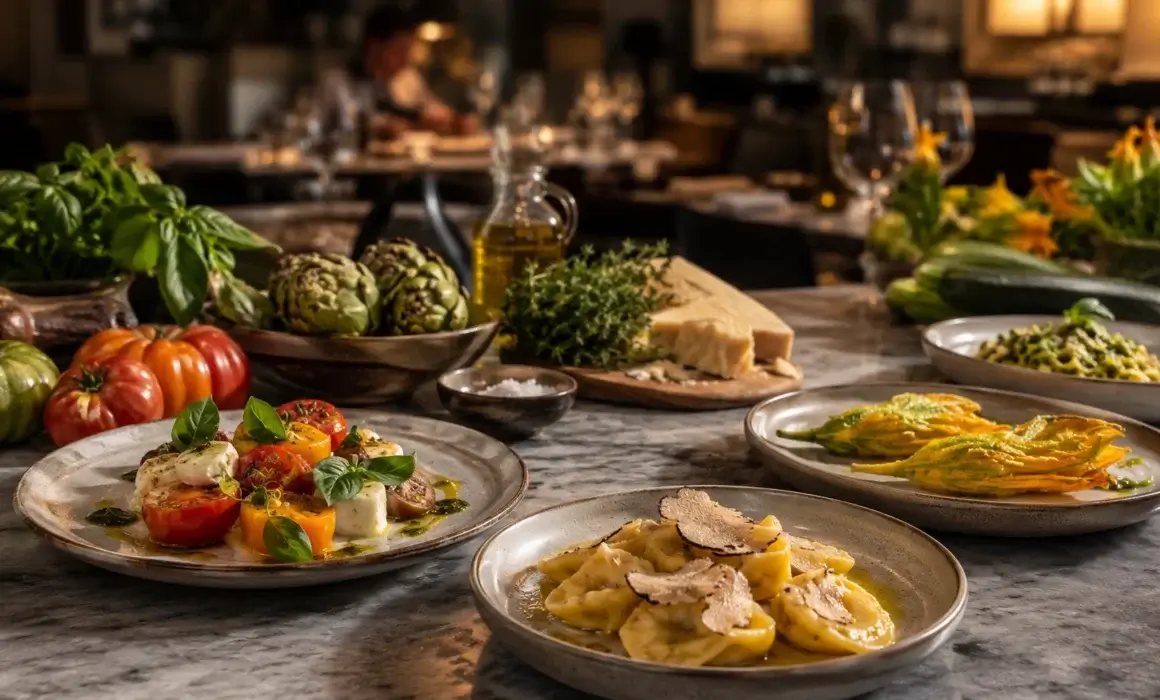
The heart of Italian vs. Italian American cuisine lies in the ingredients. Traditional Italian cuisine emphasizes the use of fresh, seasonal ingredients with minimal interference. The goal is to let the natural flavors of the produce shine through. For example, a classic Italian cuisine dish like Caprese Salad consists of:

    • Ripe tomatoes

    • Mozzarella

    • Fresh basil

    • Olive oil

    • A pinch of salt

These simple ingredients combine to highlight the beauty of the season’s best offerings.

In contrast, Italian American cuisine tends to feature bolder, heavier flavors:

    • More garlic, onions, and cheese used in larger quantities

    • Richer, meat-heavy sauces like marinara or Bolognese

    • A reliance on processed ingredients like pepperoni and sausage

Italian American cuisine is about indulging and adding flavor with a heavier hand, while traditional Italian recipes focus on freshness and subtlety.

Pasta: The Heart of Italian Cuisine

One of the most notable differences between Italian vs. Italian American cuisine is the way pasta is prepared and served. In traditional Italian recipes, pasta is served in smaller portions as part of a multi-course meal. It’s often accompanied by lighter sauces, such as pesto or aglio e olio (garlic and oil), with minimal cheese. The emphasis is on the quality of the pasta and its perfect pairing with the sauce.

In Italian American cuisine, pasta takes center stage as a hearty main dish. The pasta is often served in larger portions with rich, meat-heavy sauces like Bolognese or Alfredo. 

You might also find dishes like Lasagna, which is loaded with layers of cheese and meat, this isn’t typically found in Italy, where lasagna is simpler and less cheese-heavy.

Pizza: Neapolitan vs. Deep-Dish

While both Italy and the U.S. claim pizza as their own, the styles are quite different. Traditional Italian pizza, particularly from Naples (the birthplace of pizza), features a thin, crispy crust topped with minimal ingredients. A Margherita pizza with tomato, mozzarella, basil, and olive oil is considered the epitome of authentic Italian dishes. The focus is on the simplicity and quality of the ingredients.

On the other hand, Italian American pizza has been adapted to suit American tastes. From the famous New York-style pizza to Chicago deep-dish pizza, the American version is often thicker, cheesier, and loaded with toppings. Italian American pizza tends to be heavier, with a thicker crust and an abundance of cheese and toppings, making it a more filling, indulgent option.

Meal Structure: Multi-Course vs. Hearty Portions

In Italy, meals are often structured as multi-course events, where smaller portions of food are enjoyed slowly over a long period of time. A typical Italian meal includes appetizers, a first course (pasta), a second course (usually meat or fish), followed by a dessert. This allows each dish to shine on its own and encourages relaxed conversation.

In Italian American cuisine, meals tend to be larger and more filling. Hearty portions of pasta, pizza, or lasagna are served as the main course, and often, there’s an emphasis on quantity over quality. Italian American meals are typically enjoyed in a more casual, fast-paced manner, with less focus on the structured, multi-course dining experience.

Which is Better: Italian or Italian American Cuisine?

Choosing between Italian vs. Italian American cuisine depends on what you’re looking for. If you want an experience that highlights authentic Italian recipes and a refined dining atmosphere, visiting an Italian cuisine restaurant like Blu Ristorante is the way to go. Here, you’ll enjoy dishes that honor Italy’s centuries-old culinary traditions, crafted with the finest ingredients and a deep respect for the culture.

However, if you’re craving hearty, indulgent dishes with bold flavors and larger portions, Italian American cuisine might be more up your alley. This style of cooking embraces comfort and accessibility, making it perfect for a casual meal with family and friends.

Conclusion

Both Italian vs. Italian American cuisine offer their own unique appeal, whether it’s the refined simplicity of traditional Italian dishes or the bold, comforting flavors of Italian American meals. Whichever style you choose, the one thing they have in common is the love and passion for food that has made Italian cuisine one of the most beloved worldwide.

For those in Toronto, Blu Ristorante is a great place to dive deep into authentic Italian dishes, enjoying a true Italian food restaurant experience in the heart of the city. Whether you’re indulging in pasta, pizza, or a multi-course meal, Blu brings you the very best of traditional Italian cuisine in a luxurious setting.

FAQs

What defines traditional Italian cuisine?

Traditional Italian cuisine is defined by its emphasis on simplicity, the use of high-quality ingredients, and deep regional diversity. It is a reflection of Italy’s long culinary history, with recipes often passed down through generations. The cuisine focuses on fresh, seasonal ingredients such as olive oil, tomatoes, garlic, fresh herbs, and locally sourced produce. Traditional Italian cooking is all about letting the natural flavors of the ingredients shine through with minimal seasoning and preparation. Meals are generally served in multiple courses, each with smaller portions that encourage a relaxed, communal dining experience. 

What are considered authentic Italian dishes?

Authentic Italian dishes are those that stay true to the region’s culinary traditions and seasonal availability of ingredients. Examples of classic dishes include spaghetti with light, simple sauces like aglio e olio (garlic and oil) or arrabbiata, highlighting fresh tomatoes and olive oil. Pizza, especially the Neapolitan style, features a thin, crispy crust with minimal toppings such as mozzarella, basil, and tomatoes. Another staple is risotto, a creamy rice dish often flavored with mushrooms, saffron, or seafood. Lasagna made with fresh pasta, béchamel sauce, and a simple meat or vegetable filling is another iconic dish.

What makes an Italian cuisine restaurant authentic?

An Italian cuisine restaurant becomes authentic when it stays true to the principles of Italian cooking, using fresh, high-quality ingredients and traditional recipes. It places a strong emphasis on regional flavors and seasonal produce, reflecting the diversity of Italy’s culinary landscape. In an authentic Italian restaurant, you can expect to find dishes that are carefully prepared using time-honored techniques, such as hand-made pasta and slow-cooked sauces. The ambiance is also key; it should evoke the warmth of Italian hospitality, with a welcoming and communal atmosphere. 

Why are authentic Italian dishes less heavy than Italian American dishes?

Authentic Italian dishes are generally lighter than their Italian American counterparts because traditional Italian cuisine focuses on using fresh, seasonal ingredients with minimal seasoning to preserve the natural flavors. The portions are smaller, especially when it comes to pasta, and dishes are served as part of a multi-course meal. Sauces are typically lighter, often made with fresh tomatoes, olive oil, garlic, and herbs, and not overly thickened or heavy with cheese. In contrast, Italian American dishes are often richer and heartier. They tend to feature larger portions, heavier sauces like Alfredo or Bolognese, and a greater use of cheese, cream, and meat, making them more indulgent and filling. The American version of Italian food has evolved to suit local tastes, often prioritizing larger servings and stronger, more decadent flavors.


Privacy Settings
We use cookies to enhance your experience while using our website. If you are using our Services via a browser you can restrict, block or remove cookies through your web browser settings. We also use content and scripts from third parties that may use tracking technologies. You can selectively provide your consent below to allow such third party embeds. For complete information about the cookies we use, data we collect and how we process them, please check our Privacy Policy
Youtube
Consent to display content from - Youtube
Vimeo
Consent to display content from - Vimeo
Google Maps
Consent to display content from - Google