
How Seasonal Ingredients Shape Authentic Italian Fine Dining Menus
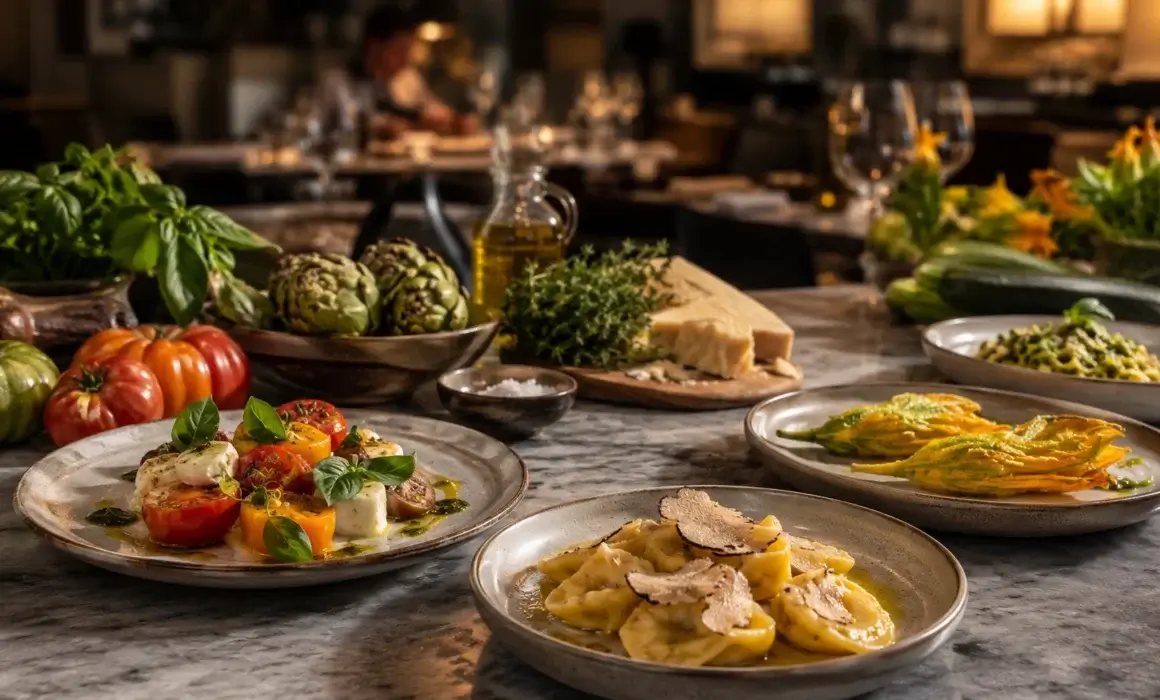
Some of the best Italian food you’ll ever eat is almost nothing. A plate of tomatoes in Puglia in September, torn basil, oil, salt. That was the whole dish, and it worked because the tomatoes had been picked that morning about two fields over. Order the same thing in the wrong month and you’d wonder what the fuss was about, because the ingredient, not the recipe, was doing all the work.
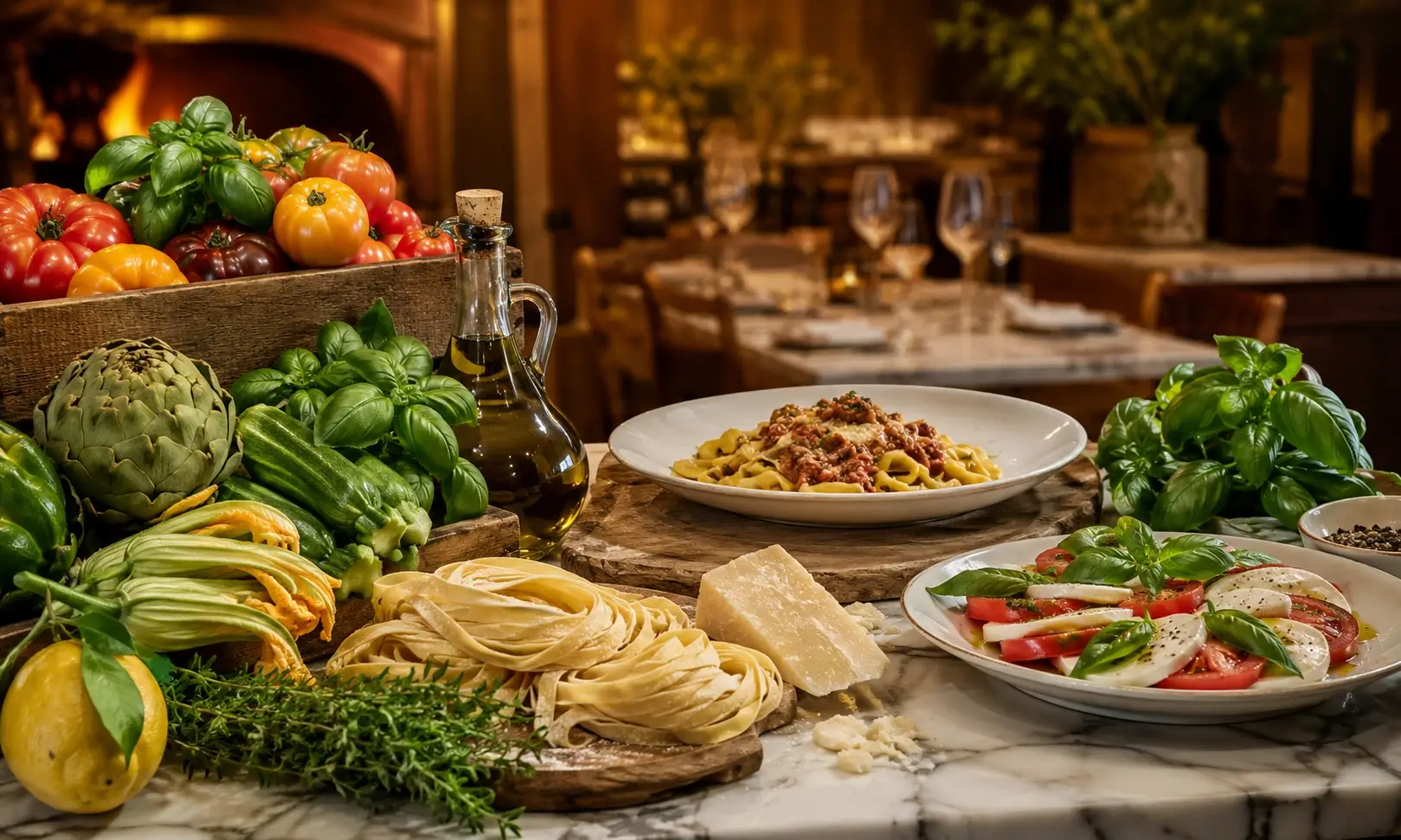
That is basically the case for authentic Italian cuisine on a single plate. Italian cooking has always been led by its ingredients, and the good stuff still bends to whatever the season hands over. It’s why a serious Italian fine dining menu reads differently in April than it does in November, and why the Italian restaurant worth going back to is usually the one whose menu you can never quite predict.
BLU Ristorante, in the middle of Toronto’s Theatre District, works this way.
Start Raw, or Start Fried
The Pasta You Came For
Two appetizers tell you most of what you need to know about a kitchen.
The first choice would be a raw dish. Crudo is the name given by Italians to the raw fish dishes that have been thinly sliced and barely seasoned. The Ahi Tuna Tartare at Blu has raw tuna with avocado, sesame seeds, Calabrian aioli, and yuzu vinaigrette served with lotus root chips. Raw fish cannot hide behind anything so when an establishment displays their raw fish, they are letting customers know how fresh their seafood is.
Second would be something off the grill. Grilled Calamari can be had with caper berries, black olives, peperonata and roasted red pepper coulis. There is also the Sous Vide Moroccan Octopus, served slowly cooked with cherry tomatoes, lemon, pine nuts and eggplant puree. Octopus is very easy to mess up and very difficult to cook correctly.
How Italian Chefs Keep It Simple
Talk to an Italian chef about cooking fish and most of the answer is about leaving it alone. Nobody’s trying to reinvent a branzino. You put a whole one over the grill or into a hot oven with herbs, lemon, and oil, and that’s most of it.
You can taste that restraint in Blu’s Grilled Branzino. Lemon, rapini, salsa verde, and little else. The fish carries the plate. Fillets get gentler handling, which is why the Pan Seared Atlantic Salmon arrives with brussel sprout, heirloom carrot, and a butternut squash puree, and nothing heavier. Squid and octopus are the temperamental pair. Cook them fast and hard, or slow and patient. Land in the middle and you get rubber. Notice how little heavy sauce shows up in any of it. That absence is the whole idea behind premium seafood dining. The better the catch, the less a good kitchen does.
What to Drink With It
Italian seafood and Italian white wine grew up together, so the pairings mostly pick themselves.
- Vermentino, from Sardinia or Liguria, is bright and a little salty, and it’s made for clams and grilled fish.
- Gavi or Verdicchio is cleaner and leaner, good with raw dishes and delicate pasta.
- Fiano or Falanghina from the south has more weight, which suits a richer seafood stew.
Fried plates want bubbles, a Prosecco or a Franciacorta. Grilled swordfish can take a light red, as long as it’s chilled. A good fresh seafood restaurant will have someone who can point you to the right glass.
How Chefs Choose Seasonal Ingredients
Behind a seasonal menu is sourcing most guests never see. Chefs who cook this way build relationships with growers, foragers, and fishmongers who call when something special arrives. They buy at peak, often daily, rather than on a fixed weekly template. They let the best ingredient of the week lead the dish instead of forcing components to fit, and they rewrite the menu as the seasons turn.
Seasonal Dining at BLU Ristorante
BLU Ristorante prepares its food precisely like that on 214 King Street West in the heart of Toronto’s Theatre District. Its menu changes depending on the season; the in-house made pasta dishes, along with other Italian cuisine, are served in conjunction with an Italian wine list. The room is suitable for a romantic dinner accompanied by live weekend music or for private parties.
Frequently Asked Questions
Why are seasonal Italian ingredients important in authentic Italian cuisine?
The overall style is fairly simple, relying on a good ingredient that carries the dish with minimal treatment. Produces flavorful in-season and doesn’t require as much assistance. This recipe will go out the window when it’s out of season.
What should guests look for in an Italian fine dining menu to identify authentic Italian cuisine?
Menu changes that occur throughout the year, dishes that are actually named by the real name of the region, succinct ingredient-driven writing, the emphasis on vegetables and seafood and a specials menu that varies as per the availability of the season’s produce.
How do authentic Italian recipes vary from one season to another?
All peas and artichokes are light and green in spring. Tomato, eggplant and basil plants are cultivated during the summer. Mushrooms, squash, and truffles, it’s a fall deepening. In the winter, it’s slow-braised dishes, hardy greens and citrus. On the day, the same traditions, different ingredients.
How do Italian fine dining chefs select seasonal ingredients for their menus?
Mostly through relationships. They remain close to growers, foragers and fishmongers who let them know when a good find is available, they purchase at peak prices and many times every day and they typically just make up the rest of the dish to fit the ‘best item of the week.