
Italian vs. Italian American Cuisine: Discover Key Differences
Italian food is loved around the world for its rich flavors, fresh ingredients, and centuries-old traditions. But when you think of Italian food, are you thinking of authentic Italian dishes straight from Italy or the variations commonly served in American homes and restaurants? While both Italian vs. Italian American cuisine share common roots, they diverge in significant ways, especially in the way they’re prepared, served, and enjoyed.
In this blog, we’ll explore the key differences between these two beloved cuisines, helping you understand how traditional Italian cuisine and its American counterpart stack up.
Let’s dive in!
The Origins of Italian and Italian American Cuisine
Traditional Italian Cuisine
Traditional Italian cuisine has deep cultural and regional ties to Italy. With centuries of history, Italian cooking focuses on simplicity, seasonal ingredients, and regional variations. What defines authentic Italian recipes is the use of fresh, high-quality ingredients like olive oil, tomatoes, garlic, fresh herbs, and locally sourced produce. Italian chefs pride themselves on using only what’s in season to highlight the natural flavors of their dishes.
Blu Ristorante, an Italian food restaurant in Toronto, stays true to these roots by serving authentic Italian dishes that are prepared with respect for Italian culinary traditions. Each dish is thoughtfully crafted using seasonal ingredients, celebrating the flavors of Italy while also offering a glimpse into the rich history of its food culture.
Italian American Cuisine
Italian American cuisine is a fusion of Italian traditions with American influences. It emerged when Italian immigrants arrived in the United States, adapting their traditional cooking methods to new ingredients and the availability of local produce. While it shares many characteristics with its Italian counterpart, Italian American cuisine has undergone numerous transformations, making it unique to the American culinary landscape.
In Italian American cuisine, you often find bigger portions, richer sauces, and a heavy reliance on cheese. Dishes like spaghetti and meatballs or chicken parmigiana may not exist in the same form in Italy, yet they’ve become staples in Italian-American households and restaurants.
Key Differences Between Italian and Italian American Cuisine
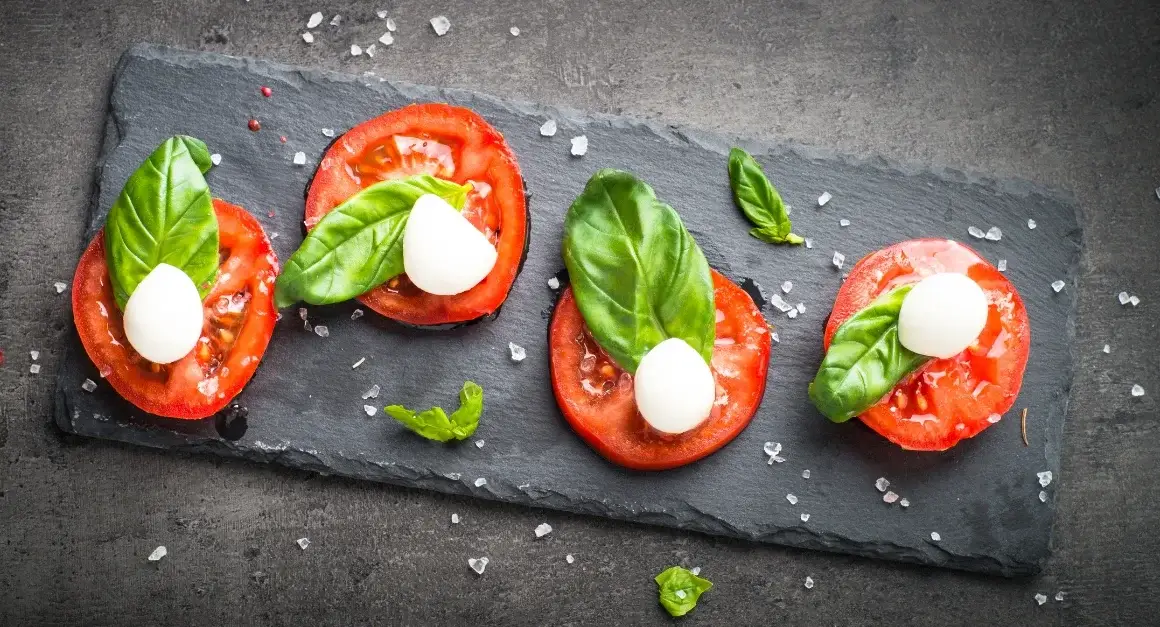
The heart of Italian vs. Italian American cuisine lies in the ingredients. Traditional Italian cuisine emphasizes the use of fresh, seasonal ingredients with minimal interference. The goal is to let the natural flavors of the produce shine through. For example, a classic Italian cuisine dish like Caprese Salad consists of:
- Ripe tomatoes
- Mozzarella
- Fresh basil
- Olive oil
- A pinch of salt
These simple ingredients combine to highlight the beauty of the season’s best offerings.
In contrast, Italian American cuisine tends to feature bolder, heavier flavors:
- More garlic, onions, and cheese used in larger quantities
- Richer, meat-heavy sauces like marinara or Bolognese
- A reliance on processed ingredients like pepperoni and sausage
Italian American cuisine is about indulging and adding flavor with a heavier hand, while traditional Italian recipes focus on freshness and subtlety.
Pasta: The Heart of Italian Cuisine
One of the most notable differences between Italian vs. Italian American cuisine is the way pasta is prepared and served. In traditional Italian recipes, pasta is served in smaller portions as part of a multi-course meal. It’s often accompanied by lighter sauces, such as pesto or aglio e olio (garlic and oil), with minimal cheese. The emphasis is on the quality of the pasta and its perfect pairing with the sauce.
In Italian American cuisine, pasta takes center stage as a hearty main dish. The pasta is often served in larger portions with rich, meat-heavy sauces like Bolognese or Alfredo.
You might also find dishes like Lasagna, which is loaded with layers of cheese and meat, this isn’t typically found in Italy, where lasagna is simpler and less cheese-heavy.
Pizza: Neapolitan vs. Deep-Dish
While both Italy and the U.S. claim pizza as their own, the styles are quite different. Traditional Italian pizza, particularly from Naples (the birthplace of pizza), features a thin, crispy crust topped with minimal ingredients. A Margherita pizza with tomato, mozzarella, basil, and olive oil is considered the epitome of authentic Italian dishes. The focus is on the simplicity and quality of the ingredients.
On the other hand, Italian American pizza has been adapted to suit American tastes. From the famous New York-style pizza to Chicago deep-dish pizza, the American version is often thicker, cheesier, and loaded with toppings. Italian American pizza tends to be heavier, with a thicker crust and an abundance of cheese and toppings, making it a more filling, indulgent option.
Meal Structure: Multi-Course vs. Hearty Portions
In Italy, meals are often structured as multi-course events, where smaller portions of food are enjoyed slowly over a long period of time. A typical Italian meal includes appetizers, a first course (pasta), a second course (usually meat or fish), followed by a dessert. This allows each dish to shine on its own and encourages relaxed conversation.
In Italian American cuisine, meals tend to be larger and more filling. Hearty portions of pasta, pizza, or lasagna are served as the main course, and often, there’s an emphasis on quantity over quality. Italian American meals are typically enjoyed in a more casual, fast-paced manner, with less focus on the structured, multi-course dining experience.
Which is Better: Italian or Italian American Cuisine?
Choosing between Italian vs. Italian American cuisine depends on what you’re looking for. If you want an experience that highlights authentic Italian recipes and a refined dining atmosphere, visiting an Italian cuisine restaurant like Blu Ristorante is the way to go. Here, you’ll enjoy dishes that honor Italy’s centuries-old culinary traditions, crafted with the finest ingredients and a deep respect for the culture.
However, if you’re craving hearty, indulgent dishes with bold flavors and larger portions, Italian American cuisine might be more up your alley. This style of cooking embraces comfort and accessibility, making it perfect for a casual meal with family and friends.
Conclusion
Both Italian vs. Italian American cuisine offer their own unique appeal, whether it’s the refined simplicity of traditional Italian dishes or the bold, comforting flavors of Italian American meals. Whichever style you choose, the one thing they have in common is the love and passion for food that has made Italian cuisine one of the most beloved worldwide.
For those in Toronto, Blu Ristorante is a great place to dive deep into authentic Italian dishes, enjoying a true Italian food restaurant experience in the heart of the city. Whether you’re indulging in pasta, pizza, or a multi-course meal, Blu brings you the very best of traditional Italian cuisine in a luxurious setting.
FAQs
What defines traditional Italian cuisine?
Traditional Italian cuisine is defined by its emphasis on simplicity, the use of high-quality ingredients, and deep regional diversity. It is a reflection of Italy’s long culinary history, with recipes often passed down through generations. The cuisine focuses on fresh, seasonal ingredients such as olive oil, tomatoes, garlic, fresh herbs, and locally sourced produce. Traditional Italian cooking is all about letting the natural flavors of the ingredients shine through with minimal seasoning and preparation. Meals are generally served in multiple courses, each with smaller portions that encourage a relaxed, communal dining experience.
What are considered authentic Italian dishes?
Authentic Italian dishes are those that stay true to the region’s culinary traditions and seasonal availability of ingredients. Examples of classic dishes include spaghetti with light, simple sauces like aglio e olio (garlic and oil) or arrabbiata, highlighting fresh tomatoes and olive oil. Pizza, especially the Neapolitan style, features a thin, crispy crust with minimal toppings such as mozzarella, basil, and tomatoes. Another staple is risotto, a creamy rice dish often flavored with mushrooms, saffron, or seafood. Lasagna made with fresh pasta, béchamel sauce, and a simple meat or vegetable filling is another iconic dish.
What makes an Italian cuisine restaurant authentic?
An Italian cuisine restaurant becomes authentic when it stays true to the principles of Italian cooking, using fresh, high-quality ingredients and traditional recipes. It places a strong emphasis on regional flavors and seasonal produce, reflecting the diversity of Italy’s culinary landscape. In an authentic Italian restaurant, you can expect to find dishes that are carefully prepared using time-honored techniques, such as hand-made pasta and slow-cooked sauces. The ambiance is also key; it should evoke the warmth of Italian hospitality, with a welcoming and communal atmosphere.
Why are authentic Italian dishes less heavy than Italian American dishes?
Authentic Italian dishes are generally lighter than their Italian American counterparts because traditional Italian cuisine focuses on using fresh, seasonal ingredients with minimal seasoning to preserve the natural flavors. The portions are smaller, especially when it comes to pasta, and dishes are served as part of a multi-course meal. Sauces are typically lighter, often made with fresh tomatoes, olive oil, garlic, and herbs, and not overly thickened or heavy with cheese. In contrast, Italian American dishes are often richer and heartier. They tend to feature larger portions, heavier sauces like Alfredo or Bolognese, and a greater use of cheese, cream, and meat, making them more indulgent and filling. The American version of Italian food has evolved to suit local tastes, often prioritizing larger servings and stronger, more decadent flavors.